GTS News Center & Latest Updates
Your Most Professional Enterprise Systems and Software Custom Development Provider!



GTS News Center & Latest Updates
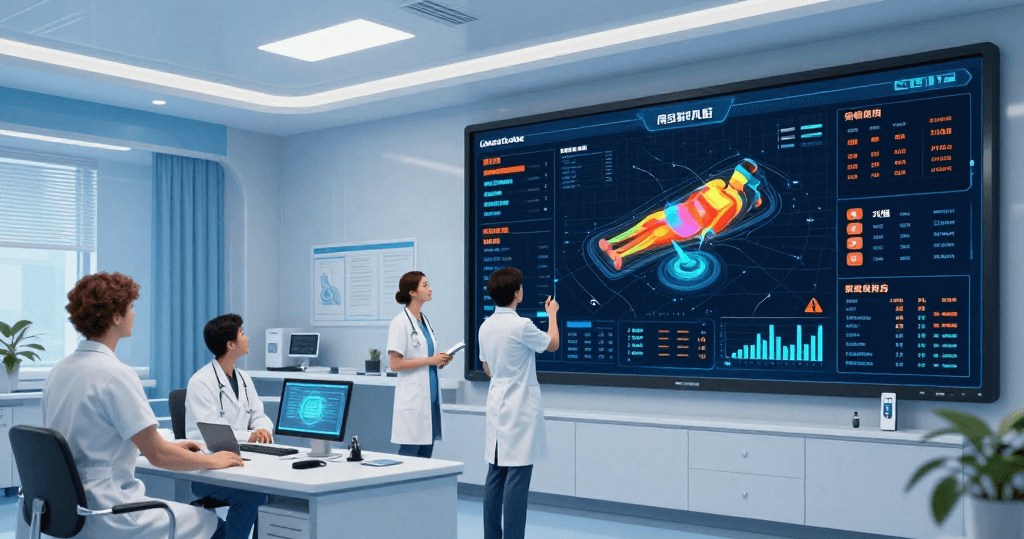
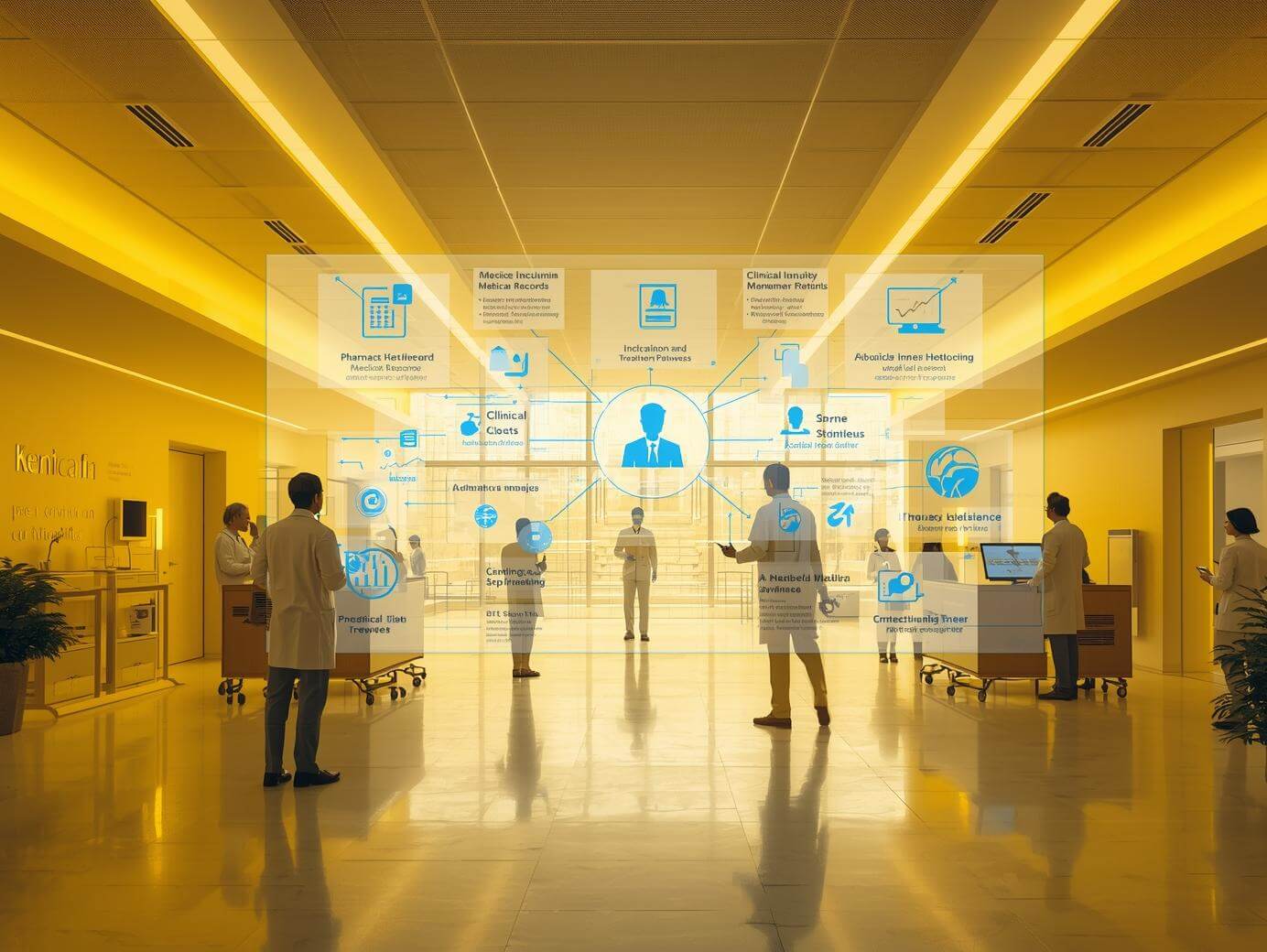
Under the continued expansion and refined management of Hong Kong’s private healthcare system, hospitals, specialty centers, and chain clinics are simultaneously facing multiple pressures, including operational efficiency, data compliance, cross-department collaboration, and patient experience optimization. When systems are fragmented, data silos are severe, and manual processes remain heavily relied upon, management often struggles to gain real-time visibility into key operational indicators—let alone implement data-driven decision-making. In this context, the HIS Medical Information Management Platform is no longer merely a supporting tool, but the core infrastructure that enables integrated clinical and operational management. This article will comprehensively analyze its strategic value within Hong Kong’s healthcare environment from four perspectives: architectural definition, clinical application, intelligent upgrades, and practical implementation. A HIS Medical Information Management Platform (Hospital Information System) is the core system that integrates all critical business processes and data flows within a hospital. It typically includes modules such as patient appointment and registration, electronic medical records (EMR), clinical treatment documentation, pharmacy and inventory management, laboratory and imaging integration (LIS/PACS), bed and resource allocation, as well as financial and reporting analytics. Unlike single-function systems, the key value of a HIS platform lies in integration. Through a unified data architecture and permission management mechanism, it enables cross-department information synchronization, reduces duplicate data entry and error risks, and provides management with real-time operational data visibility. For a deeper understanding of the fundamental functions and application scenarios of HMS and HIS systems, you may refer to our dedicated article: “What is an HMS/HIS Healthcare Management System? Basic Functions and Application Scenarios.” This article helps establish a comprehensive system understanding framework. For healthcare institutions, the true value of a system lies in its ability to support clinical medical management. When clinical workflows span outpatient services, inpatient care, surgical procedures, and cross-specialty consultations, the absence of a unified platform can cause collaboration costs to multiply as the organization scales. HIS platforms enhance clinical management efficiency through the following capabilities: Clinical pathway standardization: Supporting treatment workflow configuration and embedding clinical guidelines to ensure consistency in medical quality. Real-time medical record sharing: Allowing physicians across specialties to access complete patient histories simultaneously, reducing redundant examinations. Role-based access control: Assigning system permissions based on responsibilities, ensuring compliance with Hong Kong’s Personal Data (Privacy) Ordinance (PDPO). Real-time decision support: Providing data prompts and alert mechanisms to help medical staff identify risks. When clinical information flows and operational management processes are integrated within a single platform, healthcare institutions can effectively shorten patient waiting times, improve bed turnover rates, and reduce manual error rates. This represents the core objective of digital transformation in clinical medical management. As healthcare data volumes continue to grow, simple information integration is no longer sufficient to sustain long-term competitiveness. By incorporating AI and advanced data analytics capabilities, HIS platforms can further evolve into comprehensive smart healthcare solutions. For example: AI-assisted diagnosis and risk prediction: Conducting pattern analysis based on historical clinical data. Intelligent scheduling and resource optimization: Automatically adjusting staffing configurations based on real patient flow forecasts. Real-time dashboards: Displaying key KPIs such as average length of stay and inventory turnover rates. Cross-system interoperability: Supporting integration with the Hospital Authority (HA) and other external healthcare platforms. Through these capabilities, healthcare institutions can not only improve operational efficiency but also establish a data-driven competitive advantage. For private hospitals and medical groups, smart healthcare solutions have gradually become a critical pillar of operational upgrades. Implementing a HIS platform is not a simple procurement decision; it involves long-term IT architecture planning and operational strategy restructuring. Management teams typically evaluate the following factors: 1.System integration capability: Whether seamless integration with existing HIMS, PACS, LIS, and financial systems is supported. 2.Data security and compliance: Whether the system complies with local privacy regulations and data access standards. 3.Scalability and modular design: Whether it supports future expansion to new campuses or specialties. 4.Localized implementation experience: Whether the vendor is familiar with Hong Kong medical workflows and HA integration requirements. Additionally, system deployment should adopt a phased implementation strategy combined with user training and workflow optimization to ensure a smooth transition process. As the healthcare market enters an era of refined management, the value of information systems extends beyond manpower cost reduction to accelerating decision-making speed and mitigating long-term operational risks. HIS platforms can bring: Higher bed utilization rates and patient flow efficiency More precise pharmacy and consumables inventory management Real-time data support for executive strategic planning A sustainably evolving IT infrastructure By integrating clinical medical management and smart healthcare solutions within a unified core platform, healthcare institutions can build a scalable digital foundation that supports future business growth and technological upgrades. The value of a HIS Medical Information Management Platform does not lie solely in the system itself, but in how it becomes the core engine driving continuous evolution and improving clinical medical management efficiency. Amid the ongoing transformation of Hong Kong’s healthcare environment, the HIS Medical Information Management Platform has become a key cornerstone supporting clinical operations, business management, and strategic decision-making. Choosing the right system architecture and implementation partner will directly influence development pace and competitive advantage in the coming years. If your organization is currently evaluating system restructuring, platform upgrades, or smart healthcare roadmap planning, please contact us via the page form. The GTS professional consulting team will provide customized assessment recommendations—from requirements analysis and architectural design to implementation and integration—helping you establish a long-term information infrastructure aligned with Hong Kong medical practices and jointly plan the next phase of digital healthcare advancement.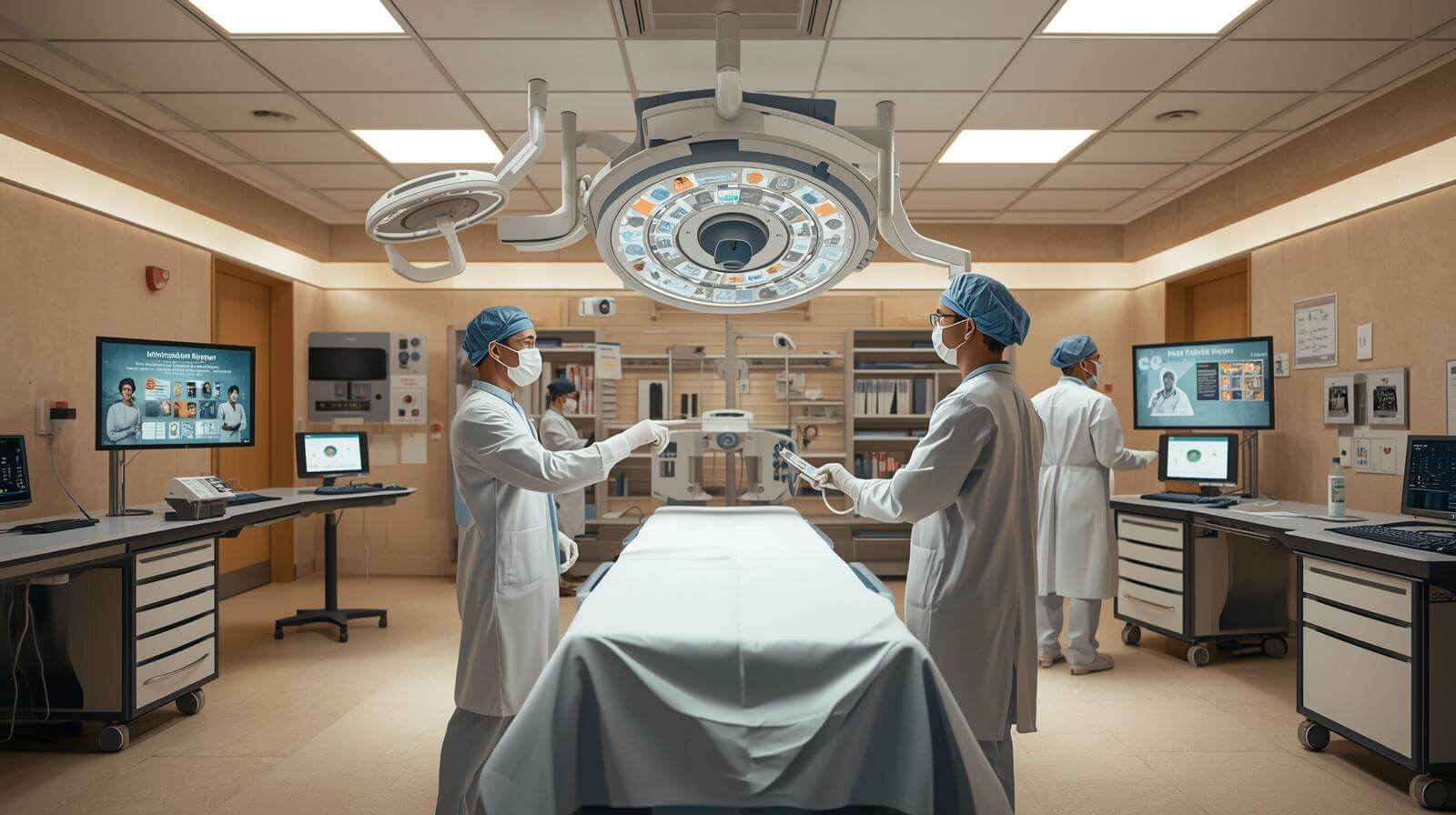
1、What Is a HIS Medical Information Management Platform?
2、How HIS Platforms Support Clinical Medical Management
3、From Information Integration to Smart Healthcare Solutions

4、Practical Considerations for Implementing HIS Platforms in Hong Kong
5、The Long-Term Value of HIS Platforms: From Clinical Management to Operational Competitiveness