GTS News Center & Latest Updates
Your Most Professional Enterprise Systems and Software Custom Development Provider!



GTS News Center & Latest Updates
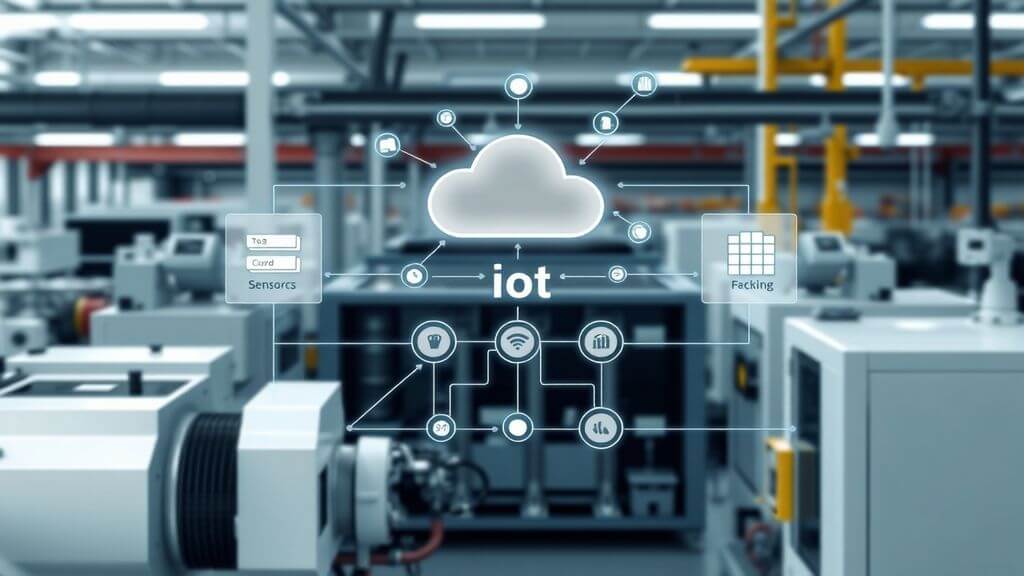
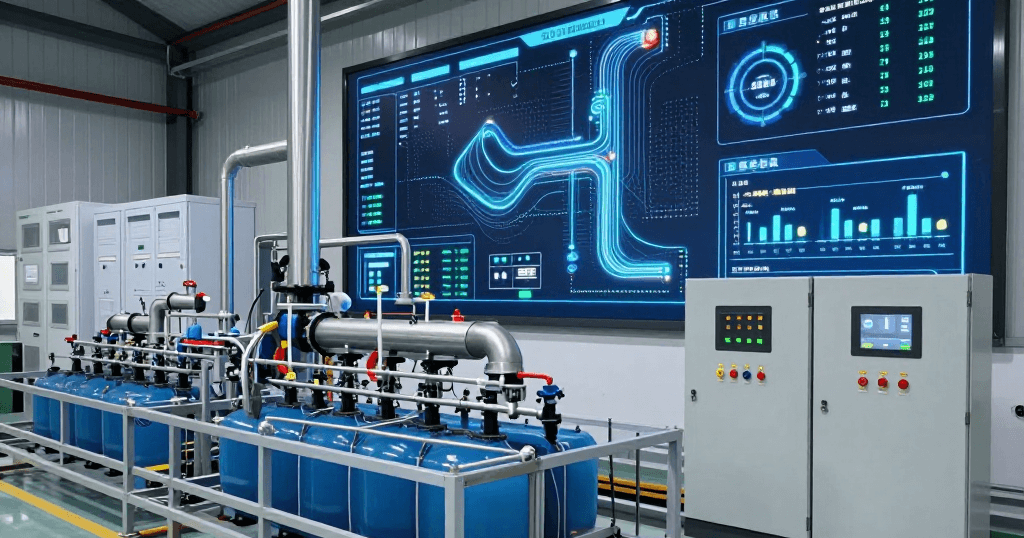
In our long-standing experience providing research, development, and system integration services to industrial enterprises, we frequently encounter a common challenge: companies have already deployed various equipment and traditional automation systems, but their data is fragmented and systems operate in isolation, making real-time, cross-departmental, and cross-regional decision-making difficult. Simply purchasing IoT modules or deploying sensors often fails to deliver meaningful improvements in operational efficiency or risk reduction. This is precisely where IIoT integration development services demonstrate their value. They are not just technical support—they serve as the operational and managerial foundation for enterprises, converting on-site equipment data into analyzable, predictable, and actionable business assets. For Hong Kong-based enterprises, high labor costs, cross-regional operations, and dispersed resources make selecting the right platform a strategic business decision, rather than a mere technical upgrade. Selecting the right platform determines the success and long-term sustainability of industrial IoT system implementation. We recommend evaluating platforms from the following perspectives: The platform must support a wide range of devices and communication protocols (such as Modbus, OPC UA, MQTT), and integrate seamlessly with existing ERP, MES, or SCADA systems. If the platform is not compatible with current equipment, subsequent industrial IoT system implementation will incur significant customization costs. Consider future business growth when selecting a platform. The platform should support modular architecture and dynamic expansion, including adding new device types, deploying additional edge nodes, and enhancing data processing capabilities to ensure stable operation as enterprise scale increases. Edge computing, distributed deployment, encrypted data transmission, and user access management are essential IIoT platform features. Enterprises must ensure the platform meets cybersecurity compliance requirements and provides user-friendly interfaces for maintenance and upgrades. A robust IIoT integration development service should provide complete APIs, SDKs, and documentation to support enterprise-specific customization and iterative functionality development. During the selection process, enterprises should focus on whether the platform directly supports core business needs rather than chasing flashy features or a long list of technical functions. From our R&D experience, a mature IIoT platform should provide the following capabilities: (1)Device Onboarding and Management: Supports multiple protocols and sensor types, enabling real-time equipment monitoring. (2)Edge Computing and Data Processing: Performs on-site data pre-processing and analytics to reduce latency and increase reliability. (3)Visualization and Decision Support: Provides dynamic dashboards, anomaly alerts, and reporting analytics to support real-time management decisions. (4)Business System Integration: Integrates with ERP, MES, and billing systems to create a complete operational loop. For example, GTS’s industrial IoT solutions have helped water treatment manufacturers, food processing plants, and cold chain warehouses build intelligent platforms integrating device connectivity, real-time monitoring, energy management, predictive maintenance, and digital twin capabilities. These deployments are not merely technical showcases but are driven by operational requirements, ensuring long-term stable operation and support for multi-scenario scalability. Many enterprises initially assume that deploying an IIoT platform can be done in a single step. Practical experience shows that phased implementation reduces risk and investment costs while allowing departments to gradually adapt to the new system. Recommended phases are as follows: Phase 1: Device onboarding and data visualization to establish an operational data foundation. Phase 2: Introduce rule engines and anomaly alerts to improve operational stability. Phase 3: Business integration and decision-making loop, connecting IIoT data with ERP, MES, and other systems. During this process, enterprises seeking a deeper understanding of IIoT concepts and implementation workflows can refer to our previously published article: “What Is Industrial Internet of Things (IIoT)? A Guide to Industrial IoT Solutions and System Setup” When choosing IIoT integration development services, enterprises should focus on long-term operational value rather than short-term features or costs. An ideal platform offers flexible customization to integrate smoothly with existing equipment and systems while supporting multi-scenario scalability. Security management and distributed deployment are critical to meet enterprise-grade standards. Support for core IIoT capabilities such as edge computing, digital twin, and energy management directly affects system usability and ROI. GTS provides IIoT integration development solutions to equipment manufacturers, operators, energy providers, and environmental service companies, supporting everything from traditional automation upgrades to AI edge computing, digital twin, energy optimization, and rental billing functionalities. Through our platform, enterprises can achieve highly reliable, low-latency, and scalable multi-protocol, multi-scenario industrial operations. 「Contact GTS to evaluate the optimal IIoT integration solution for your enterprise.」 Choosing the right IIoT platform is crucial to the successful deployment of industrial IoT solutions. By combining a phased strategy, functional implementation, and long-term operational considerations, enterprises can effectively enhance operational efficiency, reduce risks, and achieve data-driven decision-making.1. Challenges and Decision Focus for Enterprise IIoT Deployment
2. Key Considerations in Choosing IIoT Integration Development Services
2.1 Technical Compatibility and Protocol Support
2.2 Flexibility and Scalability
2.3 Data Security and Operational Management
2.4 Customization and Secondary Development
3. Core Capabilities and Application Scenarios
4. Phased Implementation Strategy for IIoT Platforms
5. Practical Guidance for Platform Selection