GTS News Center & Latest Updates
Your Most Professional Enterprise Systems and Software Custom Development Provider!



GTS News Center & Latest Updates
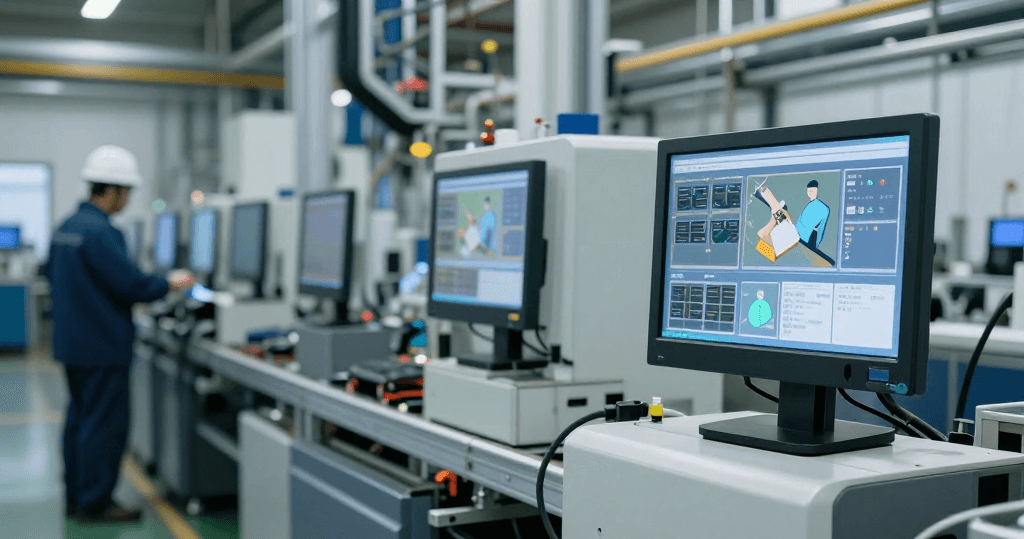
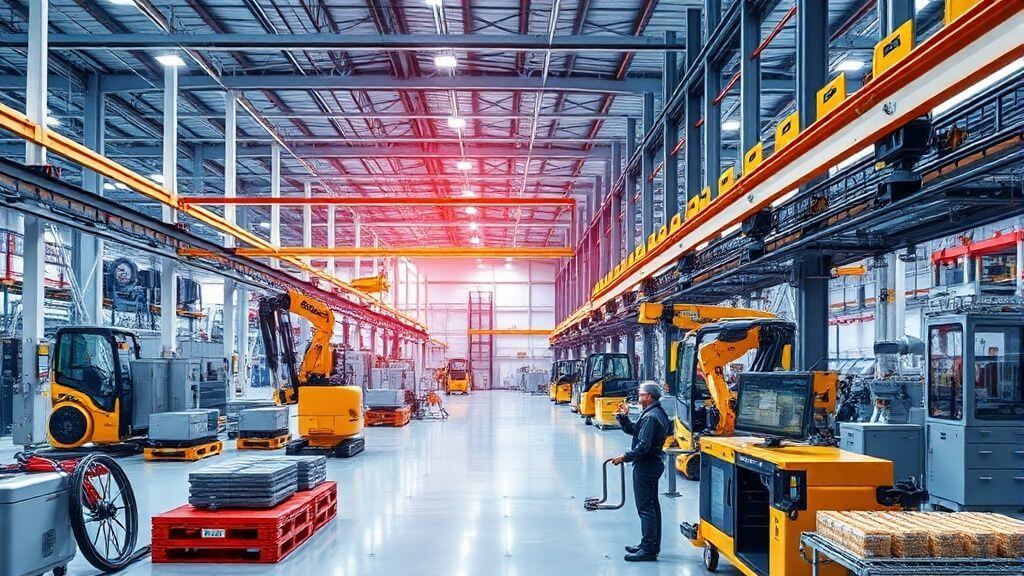
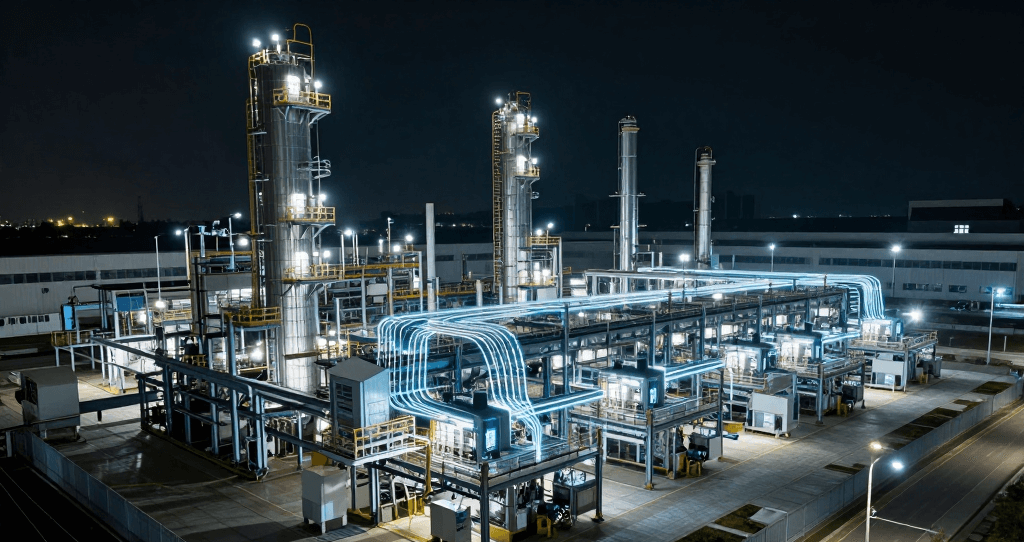
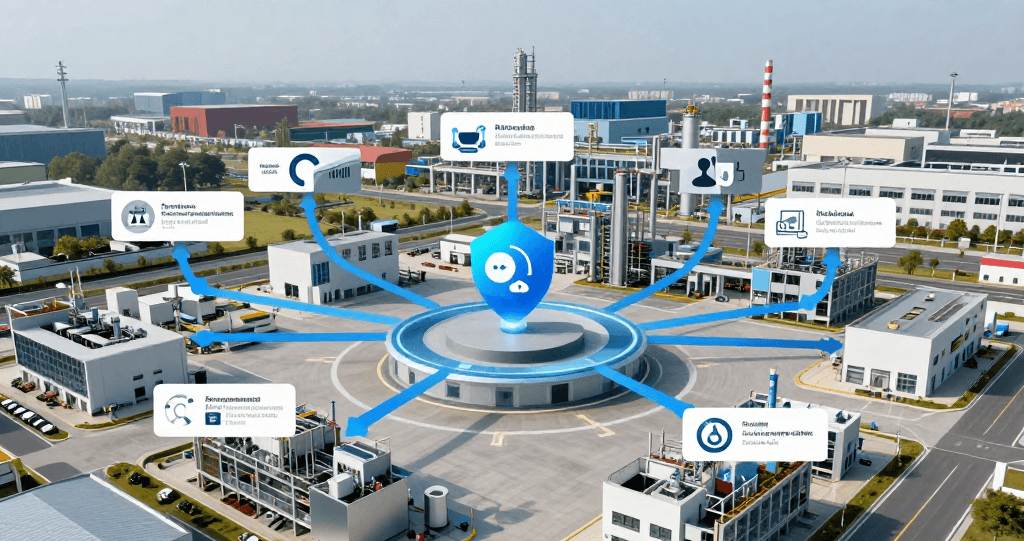
The Industrial Internet of Things (IIoT) is not simply about putting devices “online.” Rather, it leverages sensors, industrial communication protocols, edge computing, and cloud platforms to build practical Industrial IoT solutions that transform previously scattered on-site equipment operational data into core enterprise assets that can be continuously utilized, analyzed, and support decision-making. From our years of experience participating in industrial enterprise projects, truly valuable IIoT must simultaneously support device management, operational workflows, and decision visualization. If it only stays at the level of data collection or monitoring, even a fully deployed system cannot be considered a complete and effective Industrial IoT system setup. However, for many enterprises, existing equipment and systems have been operating for years, with scattered data, closed systems, and management gaps gradually emerging. This leads decision-makers to question: Is it still necessary to invest in IIoT? And how can they implement an IIoT system step by step without affecting ongoing operations? For these reasons, this article takes a practical and R&D perspective to systematically unpack the core concepts and implementation paths of Industrial IoT solutions. From a decision-maker's perspective, adopting Industrial IoT is no longer simply a “technical upgrade” option—it has become a real operational efficiency and risk management issue. Common pain points we often observe include: Equipment distributed across multiple locations, with maintenance heavily reliant on manual inspections. Inability to monitor energy consumption, operational efficiency, and abnormal risks in real time. Closed data within traditional automation systems, making integration with business systems difficult. The value of Industrial IoT solutions lies in breaking these gaps, enabling enterprises to achieve predictive maintenance, energy optimization, and operational visibility at lower cost and with higher immediacy. This is especially critical for Hong Kong enterprises, where high labor costs and multi-location operations have become the norm. From a product R&D and architecture perspective, a sustainable Industrial IoT system typically consists of the following key layers: Device and Sensor Layer: Supports a variety of industrial devices and sensors, and can adapt to different industrial communication protocols (e.g., Modbus, OPC UA). Edge Computing Layer: Processes data on-site in real time, reducing latency and improving system stability. Platform and Data Layer: Centrally manages devices, data, and events, supporting a scalable IoT platform architecture. Application and Visualization Layer: Transforms data into understandable dashboards, alerts, and analytical models to support management and decision-making. In practical projects, we generally do not recommend enterprises implement everything at once. Instead, we prefer a phased approach to Industrial IoT system setup. This not only helps control risk but also allows departments to gradually adapt to the new system. For those seeking deeper insights on phased implementation considerations and common pitfalls, you can refer to our previous article: “Does the construction of an industrial IoT system need to be done in one go?” A phased approach better controls risk and investment return: Phase 1: Device Connectivity and Data Visualization – Focus on device status and basic monitoring, establishing a solid data foundation. Phase 2: Analytics and Alert Mechanisms – Introduce rule engines and anomaly alerts to enhance operational stability. Phase 3: Business and Decision Integration – Connect IIoT data to ERP, billing, or operational systems to create a complete closed loop. Such a deployment strategy allows Industrial IoT solutions to gradually integrate into core enterprise processes rather than remaining isolated IT projects. The implementation of Industrial IoT varies across industries, but the core logic remains highly consistent: increase visibility, reduce risk, and optimize costs. For example, we once designed a comprehensive IIoT digital solution for a water purification equipment manufacturer. From equipment-side data collection, edge computing, cloud management, to operational analysis, the solution helped the client establish a complete system for remote monitoring, predictive analytics, and mobile management. The project did not emphasize “flashy technology” but was guided by practical operational needs, ensuring the system could operate long-term and scale sustainably. When selecting an IIoT integration platform, enterprises should not only consider feature lists but also pay attention to factors that impact long-term performance more than short-term cost: Support for customization and secondary development. Compatibility with existing equipment and systems. Enterprise-grade cybersecurity and distributed deployment capabilities. In summary, the core of Industrial IoT solutions is not the technology itself but whether it truly addresses enterprise operational and management challenges. As the number of devices and operational scale expand, IIoT increasingly becomes a part of the enterprise's core infrastructure. A system with flexibility and sustainable evolution often depends on early architectural choices and collaboration models. The GTS team has long assisted enterprises across various industries in tackling these practical challenges. We not only provide Industrial IoT solutions and custom development services but also value long-term collaboration with enterprises. 【Schedule a consultation to find the right Industrial IoT solution for your enterprise.】1. What is IIoT?
2. Why Industrial IoT Matters for Enterprise
3. Core Components of an Industrial IoT System
4. Step-by-Step Industrial IoT System Setup
5. Industrial IoT Solutions Explained