GTS News Center & Latest Updates
Your Most Professional Enterprise Systems and Software Custom Development Provider!



GTS News Center & Latest Updates
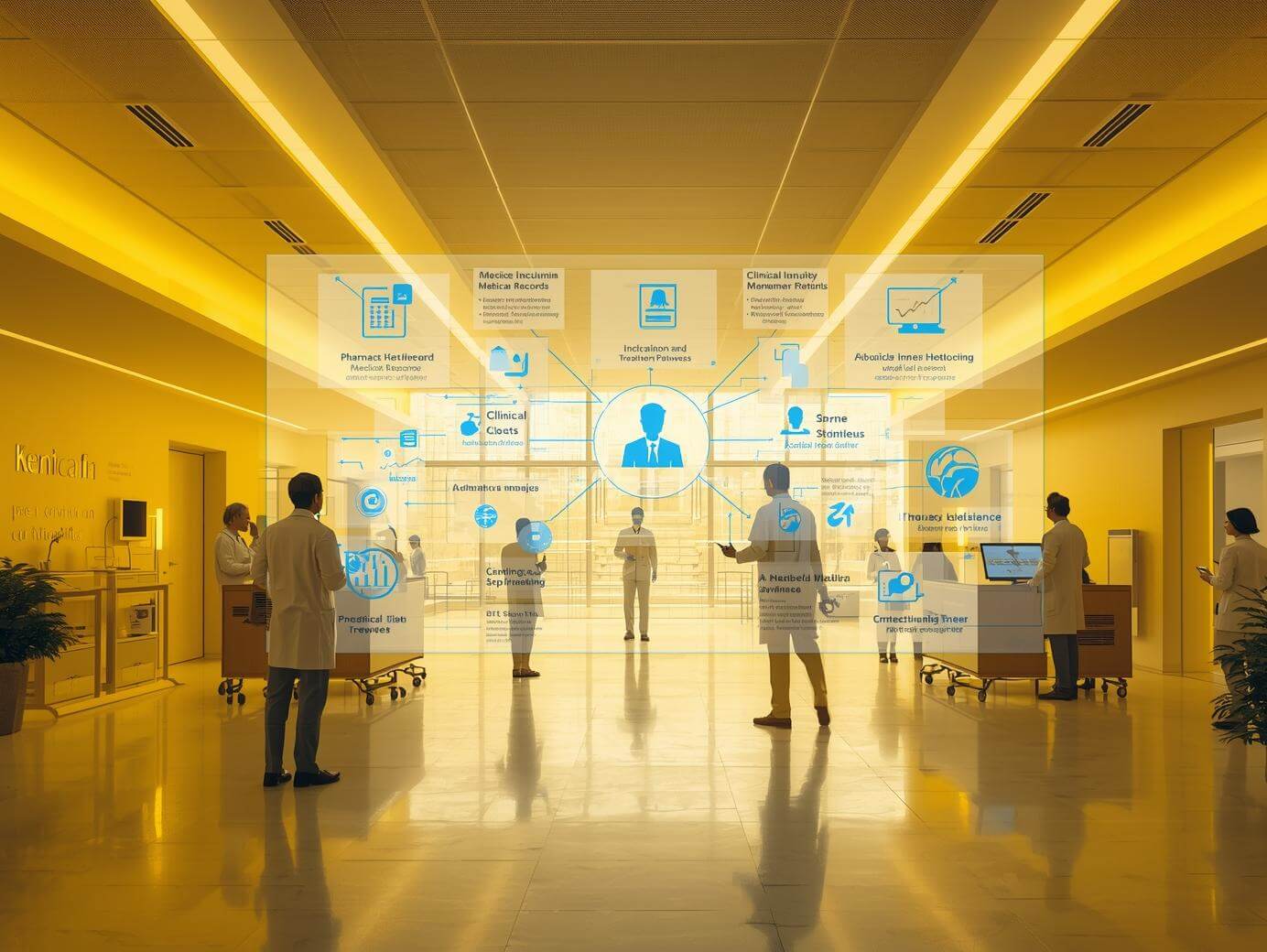
Against the backdrop of ongoing digital transformation, Industrial IoT (IIoT) is no longer merely a technical project connecting sensors and devices, but a critical infrastructure that drives overall operational efficiency and management decision-making. However, many enterprises find that when they truly initiate Industrial IoT Integration Development projects, progress is not stalled due to equipment procurement or system development, but rather remains stuck for an extended period in the “integration phase.”
When different departmental systems are independently built and lack a unified perspective on Industrial IoT Integration Development, integration often becomes the most difficult hurdle within an IIoT project. This is a common problem repeatedly encountered by many enterprises, yet it is frequently underestimated.
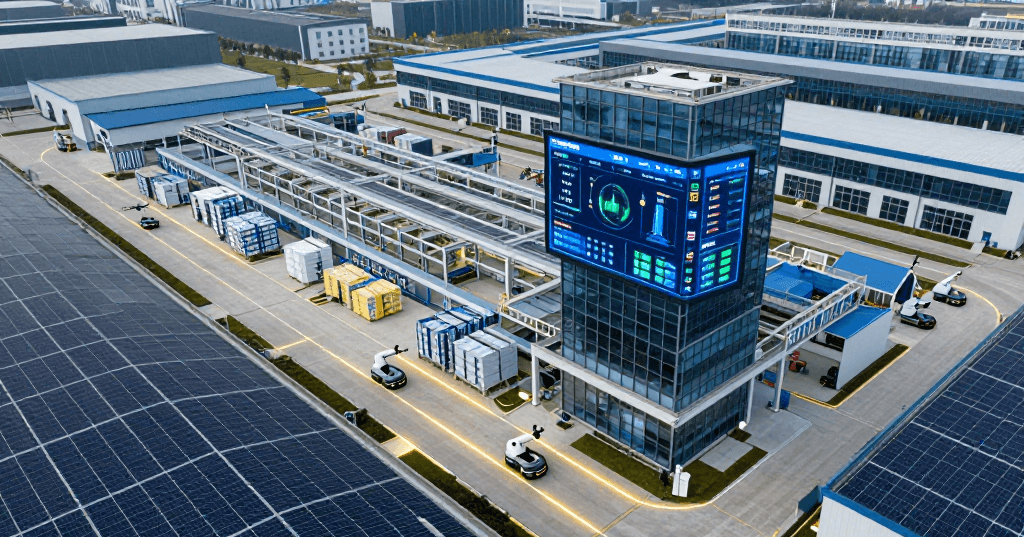
The first risk is the hidden risk of ad-hoc procurement: before adopting IIoT, many enterprises have gradually procured systems and devices for different purposes—for example, production equipment may come with monitoring systems provided by the equipment vendor, energy management has another separate platform, and warehousing, logistics, and quality management are all independent. While such “ad-hoc procurement” may seem reasonable at individual points, over time it creates a highly fragmented system environment.
The second challenge is that fragmented data drags down overall value: a common misconception is treating “integration” as the final step after all systems are deployed, rather than incorporating it as a core strategy during the architecture design phase. As a result, while each system may operate normally, the lack of consistent data semantics and process logic makes cross-department collaboration difficult. As the number of systems increases, subsequent maintenance and integration costs accumulate, IT teams struggle with version updates and compatibility issues, and ultimately the data remains fragmented, significantly undermining the overall operational value of Industrial IoT.
Because many enterprises lack comprehensive planning in the early stages of the project, they continuously encounter structural difficulties during subsequent integration. For further insights on whether an Industrial IoT system needs to be implemented all at once or in stages, refer to “Does the construction of an industrial IoT system need to be done in one go?”. It should be emphasized that “staged implementation” does not mean integration can be ignored; each module still needs to follow a unified integration logic during design and deployment to ensure data interoperability and cross-departmental collaboration, thereby truly realizing the value of Industrial IoT.
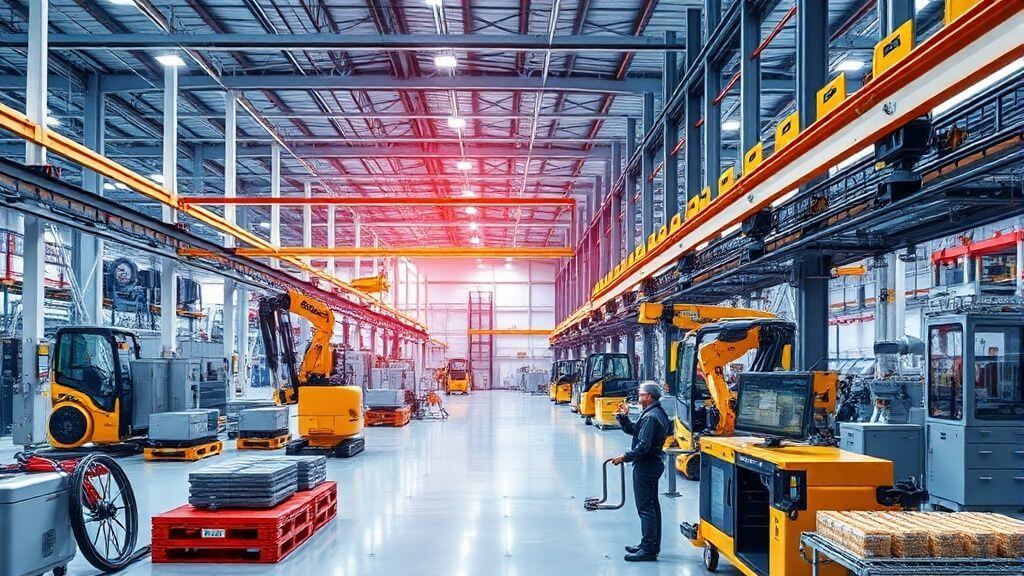
In practice, when advancing Industrial IoT Integration Development, enterprises often realize only in the mid-to-late stages of the project that integration is far more challenging than expected. These issues result from the interplay of equipment environments, existing systems, and operational requirements, often occurring simultaneously and compounding each other.
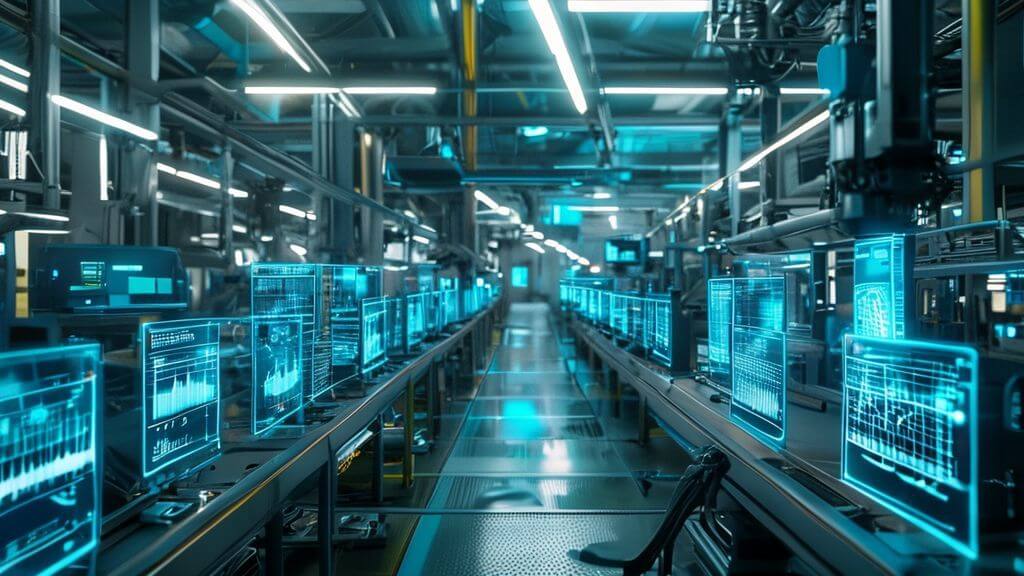
1.Multiple devices and brands coexist, making data formats and communication protocols difficult to standardize
Devices and sensors from different eras and vendors, even if superficially supporting industrial communication standards, still differ in data structures, naming logic, and transmission frequencies. Integrating this data into a single platform requires extensive conversion and alignment work, making the integration cost far higher than expected.
2.Legacy systems are still in operation but hard to interface with new IoT systems
Before adopting Industrial IoT, many enterprises have long used existing MES, ERP, or internally customized systems. Many of these systems were not designed with cross-system integration in mind. Because they carry critical production or financial data that cannot be directly replaced, limited interfaces mean that new IoT systems can only supplement data semi-manually, resulting in delays, duplicates, or gaps.
3.Post-deployment, requirements for stability and security increase significantly
Industrial scenarios differ from general IT systems; any data delays, service interruptions, or information security breaches can directly affect production rhythms and operational safety. At this stage, enterprises often realize that integration work must simultaneously consider system fault tolerance, access control, and long-term maintenance capabilities, rather than only focusing on functional implementation.
Facing integration challenges, enterprises need more than just technical implementation; they require a sustainable and evolving integration strategy. Mature Industrial IoT Integration Development emphasizes unified integration logic and architectural principles from the project’s inception, rather than simply “writing more code.”
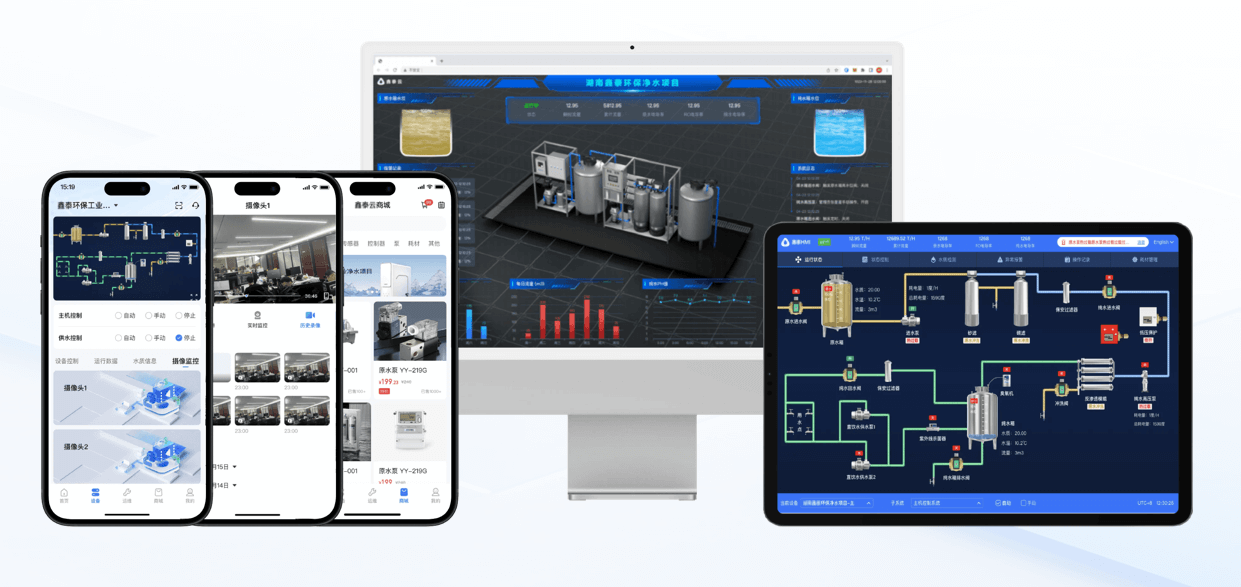
As demonstrated by GTS’s work with the water purification equipment manufacturer “Xintai Cloud,” a one-stop IoT solution was built through a unified interface covering device screens and Web/mobile endpoints, through edge gateways that collect data from 30+ sensors in real time, and through cloud rule engines and time-series databases to train predictive models. This approach effectively addressed challenges such as fragmented device management, complex customer operations, reliance on manual maintenance, unpredictable failures, and high barriers to 3D visualization, achieving unified management of devices, data, and customer operations.
At the project’s early stage, GTS also helped the enterprise map the overall architecture, define which systems needed immediate integration and which could be introduced in stages, and implemented a modular design to create a platform capable of long-term evolution. This approach ensures that Industrial IoT Solutions are no longer a one-off delivery but a sustainably expandable, long-term operational intelligent platform, reducing integration risks and operational costs for future device additions or cross-facility deployments.
The shift from project delivery to a long-term platform is a key measure of integration effectiveness. When the integration architecture is clear and the platform scalable, enterprises can truly incorporate IIoT into long-term operational strategies rather than repeatedly undertaking high-cost system rebuilds. This is why an increasing number of enterprises, when evaluating partners, focus not only on single-function implementations but also on the comprehensive capability in Industrial IoT Integration Development, IoT system integration platforms, and enterprise-level IoT architecture planning. Only in this way can Industrial IoT be transformed from technical adoption into measurable and sustainable business value.
This article, "Industrial IoT Integration Development: What Challenges Do Enterprises Most Commonly Face?" was compiled and published by GTS Enterprise Systems and Software Development Service Provider. For reprint permission, please indicate the source and link: https://www.globaltechlimited.com/news/post-id-14/